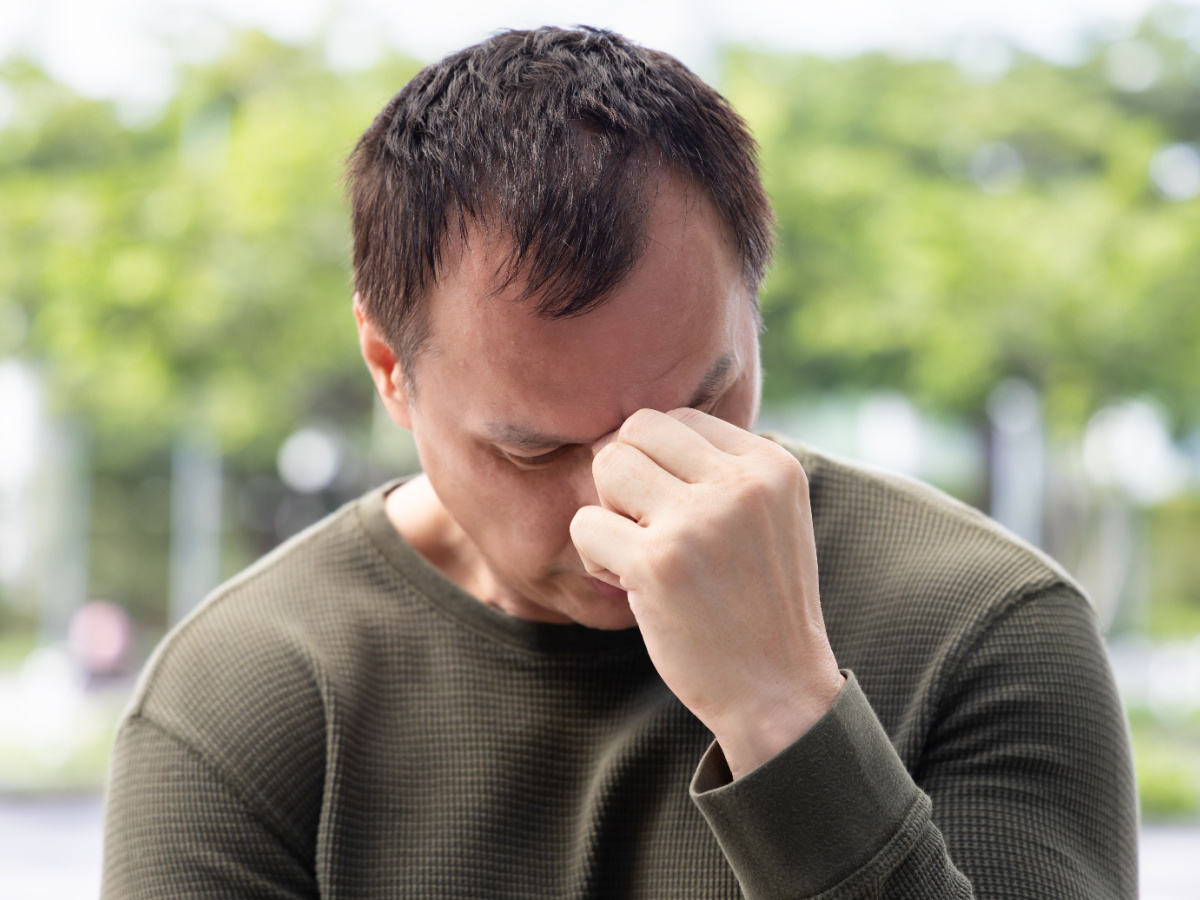
Hair loss can be stressful, and the link between stress and hair health is well-documented. Many men notice thinning or shedding hair during periods of high stress, which can affect confidence and wellbeing.
Understanding the connection between stress and hair loss, and learning how to protect your hair, can help you maintain a healthy scalp even during challenging times.
How Stress Affects Hair
Stress can impact hair growth in several ways:
1. Telogen Effluvium
- This is the most common stress-related hair loss condition.
- Severe stress pushes hair follicles into a resting phase, leading to increased shedding 2–3 months later.
- Hair usually regrows once stress levels decrease, but it can take several months.
2. Alopecia Areata
- Stress may trigger autoimmune reactions, causing patchy hair loss.
- Hair can regrow naturally, but medical guidance may be needed.
3. Trichotillomania
- Chronic stress or anxiety may lead some individuals to pull out their hair, further worsening hair loss.
Tips to Protect Your Hair During Stressful Periods
1. Manage Stress Effectively
- Practice meditation, deep breathing, yoga, or mindfulness exercises.
- Schedule regular downtime to relax and recharge.
- Consider therapy or counselling if stress feels overwhelming.
2. Maintain a Nutrient-Rich Diet
- Hair needs protein, iron, zinc, and vitamins to grow strong.
- Include foods such as eggs, spinach, nuts, seeds, and fatty fish.
- Consider discussing supplements with a healthcare provider if your diet is lacking.
3. Care for Your Hair and Scalp
- Avoid harsh treatments like bleaching, excessive heat, or tight hairstyles.
- Use gentle, pH-balanced shampoos and conditioners.
- Massage your scalp to stimulate blood flow.
4. Maintain a Healthy Lifestyle
- Exercise regularly to reduce stress and improve circulation.
- Prioritise quality sleep, aiming for 7–9 hours per night.
- Limit alcohol and smoking, which can exacerbate hair loss.
5. Consider Clinically Proven Treatments
- For men with male pattern baldness, medications like finasteride can slow hair loss and promote regrowth.
- Topical treatments such as minoxidil may also support hair density.
- Always consult a UK-registered clinician or pharmacist before starting treatment.
When to Seek Professional Help
- Sudden or patchy hair loss
- Persistent shedding beyond a few months
- Scalp irritation or unusual symptoms
A healthcare professional can determine the cause and recommend appropriate treatments.
Final Thoughts
Stress can temporarily affect hair growth, but with proper care, nutrition, and stress management, most hair recovers naturally.
Combining healthy lifestyle habits with clinically proven treatments can help men and women maintain strong, healthy hair even during challenging times.
Worried about stress-related hair loss?
Our UK-registered online pharmacy offers finasteride, along with expert guidance on protecting and regrowing hair safely.